★★★★★
“I had a stroke in 2022 and was told to manage expectations. Nobody at ADAPT manages expectations. They raise them. I'm walking, lifting, and back to gardening. The Advanced team is something special.”
Theresa W.
ADAPT Training
Loading your page…
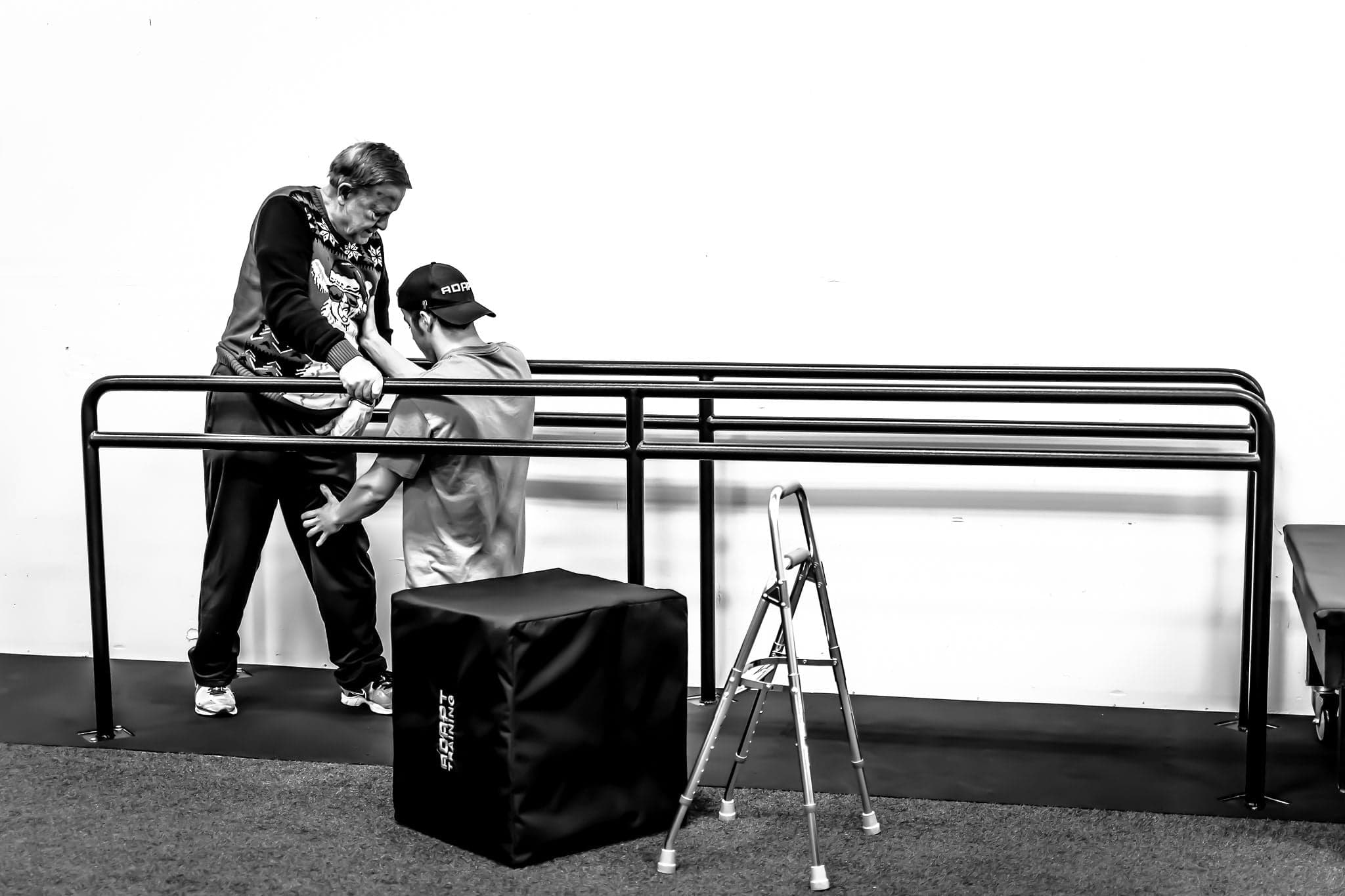
ADAPT Advanced offers individual training that accounts for fatigue, heat sensitivity, and changes in symptoms. We work with you on strength, balance, and mobility at a pace suited to your needs.
Multiple sclerosis affects the central nervous system and can change how you move and feel. Symptoms differ between people and over time. Your program takes those changes into account, including how you respond to activity, fatigue, and heat.
Common concernsTell us about your goals and current needs. Our team can explain the assessment process and help you choose a starting point.
Your plan may include strengthening, balance, walking practice, and conditioning, with rest and cooling strategies built in. We monitor effort and fatigue and adjust the session when symptoms change. Your medical team's recommendations help guide the work.
Programs you may use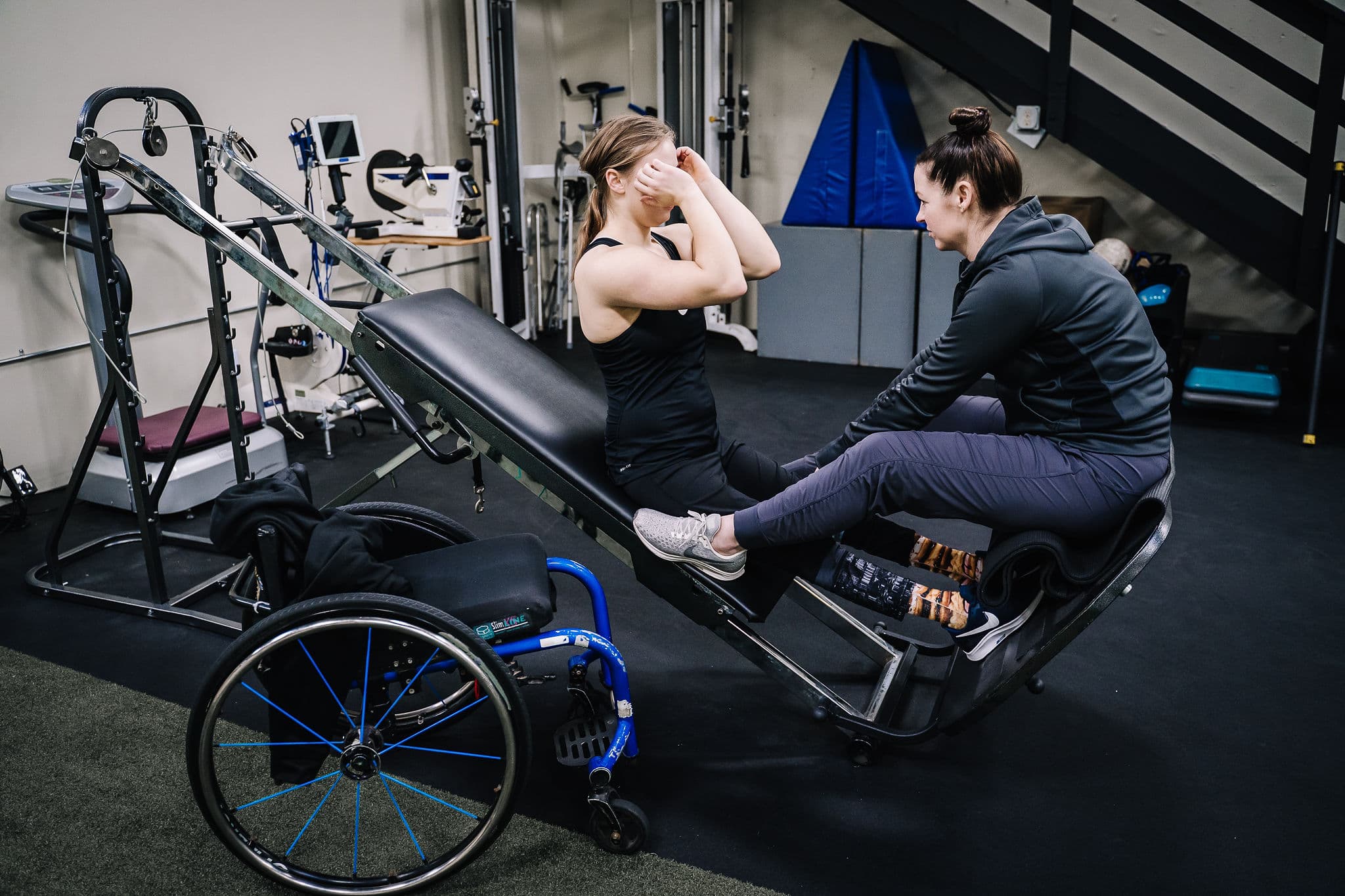
“I had a stroke in 2022 and was told to manage expectations. Nobody at ADAPT manages expectations. They raise them. I'm walking, lifting, and back to gardening. The Advanced team is something special.”
“I came in after a knee replacement convinced I'd never hike again. Two years later I'm in the mountains every weekend, and back in the gym three mornings a week. ADAPT didn't fix me. They taught me how to keep getting better.”
“I always feel so much better after going to ADAPT. Even after I've been away awhile, Jessica made me feel so welcome, seen, and missed. She cares for her clients. You will feel a difference after a class there. You are never too old to join.”
Request a visit or text us about your goals. We will respond within one business day.
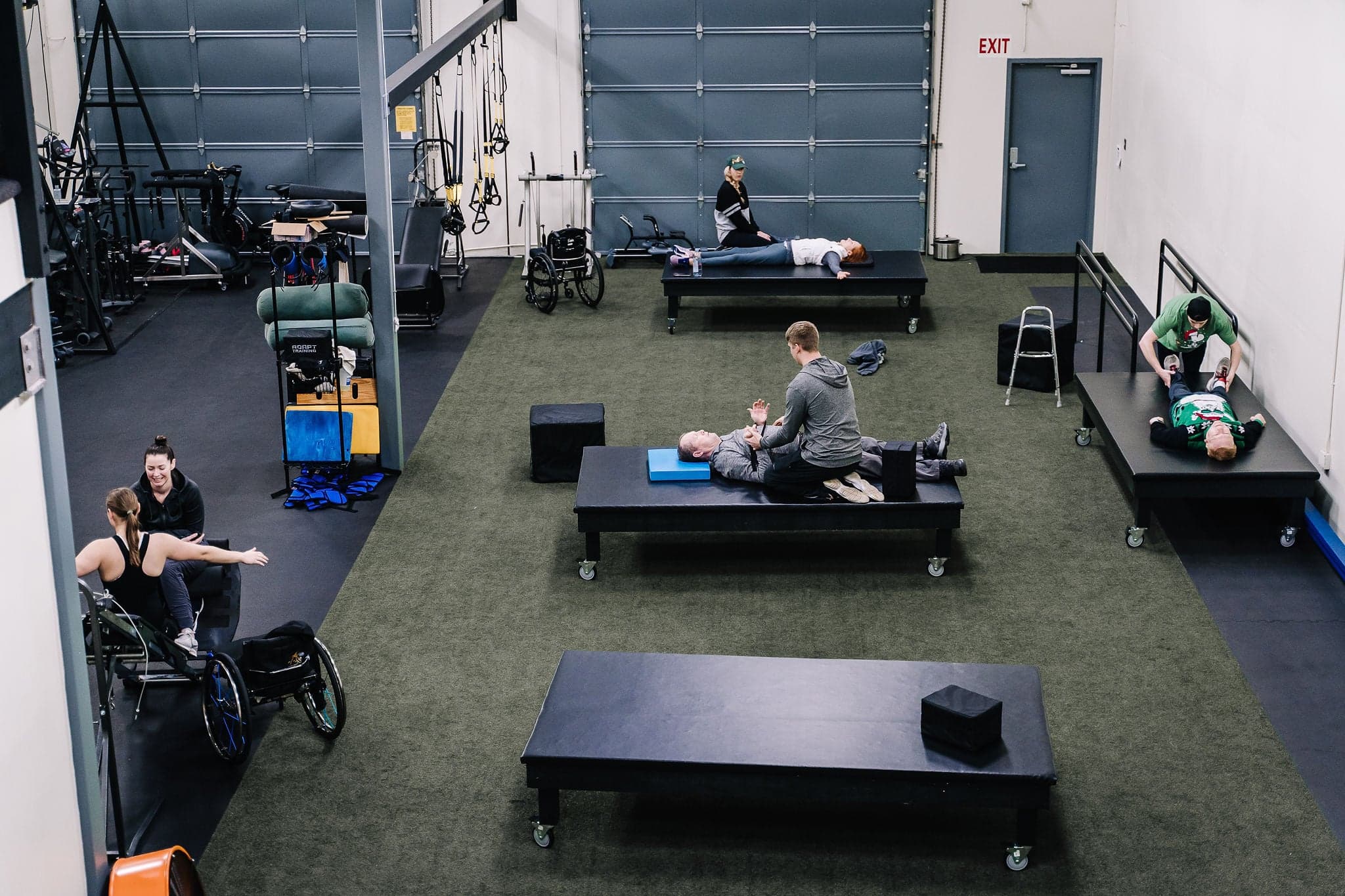
Your therapist and trainer share information and coordinate your plan, helping your training build on the progress you make in therapy.
Start with a free PT Evaluation for pain or injury, or a free Game Planning Session for training. No referral is required. Ongoing PT is cash-pay, except for MVA/PIP insurance. Ask our team about Advanced evaluation and payment options.
Working with the same practitioner across visits means they know your history, understand your goals, and can adjust your plan as you progress.
We help you work on current concerns while building strength for the activities you want to keep doing. Many members continue training with us for years.
Your assessment considers strength, mobility, and everyday activities alongside your history and relevant imaging. Those findings help guide your next steps.
Members often train 1–2x weekly, with a review of strength, fatigue, and walking around 8–12 weeks. Your pace and longer-term plan depend on your goals and response to training.
Share your contact details and tell us about your needs. We'll call within one business day. You can also reach us directly at (503) 755-8558.
For training, a free Game Planning Session helps you set goals and plan your next steps. For Advanced or workplace programs, contact our team to discuss assessments and pricing.
Start with a free 60-minute Game Planning Session with our Director of Training. We'll talk about your goals, assess how you move, and recommend your next steps. For pain or injury, choose a free PT Evaluation in the booking form. No referral or commitment required.